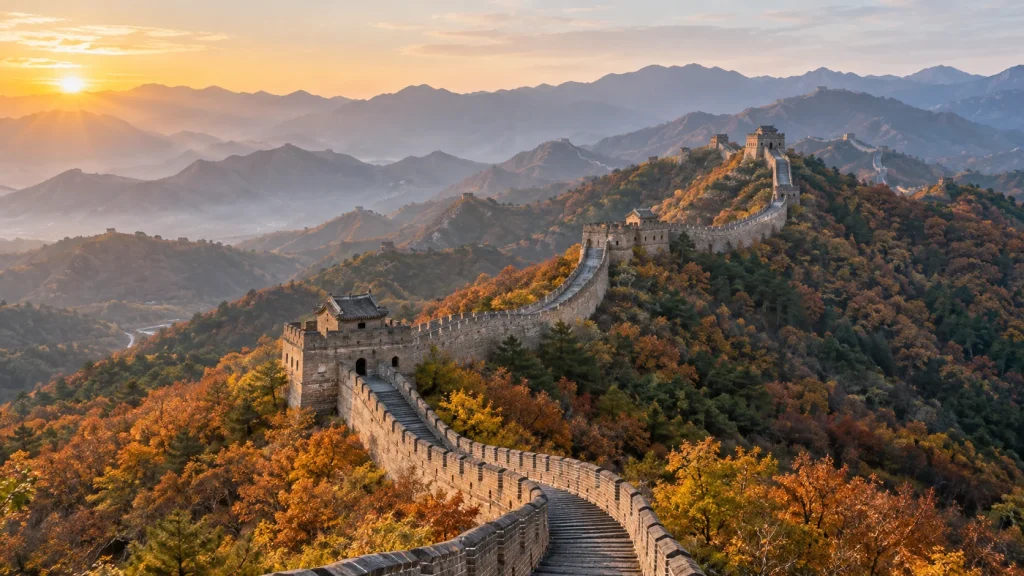
Explore the Forbidden City’s courtyards, see the Great Wall in its mountain setting and walk through hutong lanes. Beijing brings imperial history and everyday neighbourhood life together, making it a rewarding starting point for a first journey through China.
The Forbidden City: follow the sequence of gates and courtyards, with time to look closely at the architecture.
The Great Wall: choose a section and a walking distance that suit your interest in the landscape and your energy.
Hutong neighbourhoods: explore smaller lanes and pause for a drink between the larger historic sites.
See giant pandas, explore neighbourhoods and enjoy tea and Sichuan food in Chengdu. Continue to Leshan and Mount Emei for Buddhist heritage and mountain scenery, or enjoy a gentler city stay after Beijing and Xi’an.
Giant pandas: visit the Chengdu panda base and learn about the animals and the conservation work behind it.
Tea and neighbourhood time: leave space for a seated break and an unhurried walk between meals.
Leshan and Mount Emei: extend the Sichuan journey towards Buddhist heritage and forested mountain scenery.
Chongqing is shaped by the meeting of the Yangtze and Jialing rivers and the hills around them. Its streets, riverbanks and viewpoints sit at different levels, making the city's geography part of the experience. A visit can move from broad river views to smaller stepped streets, then out to the historic lanes of Ciqikou. Give the city time beyond an evening skyline photograph: exploring how its neighbourhoods connect is one of the most interesting ways to understand its character.
Two-river views: look at the city from the banks of the Yangtze and Jialing rivers.
Mountain-city streets: explore a compact area on foot to see how streets and buildings occupy different levels.
Ciqikou: spend time in the historic riverside district and notice its lanes and traditional building forms.
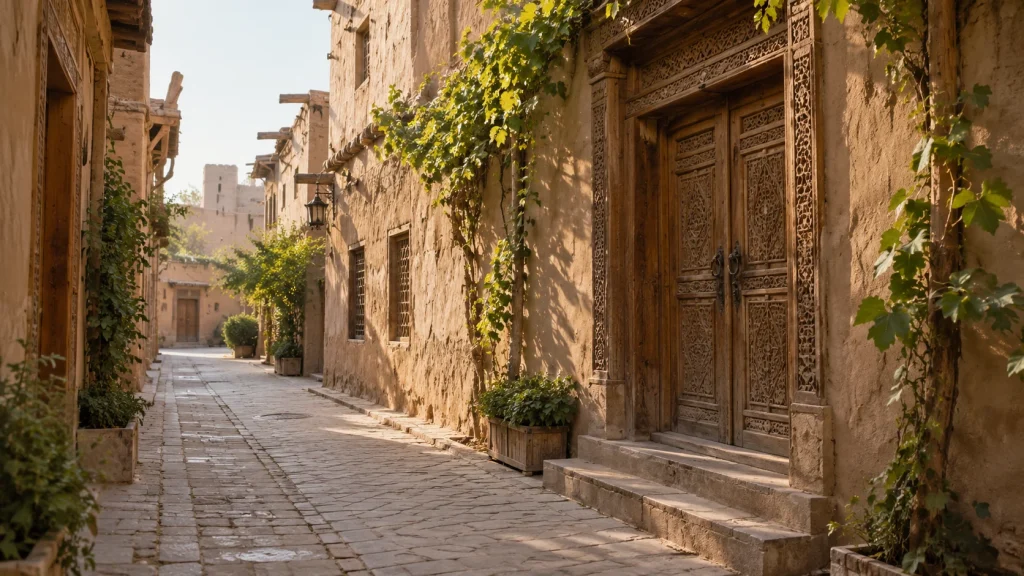
Explore Kashgar’s old-city lanes, decorated doorways, craft workshops and bazaars, with pauses for tea and local food. At the western end of the Xi’an–Dunhuang–Turpan–Kashgar journey, the city brings the Silk Road into the detail of everyday life.
Old-city lanes: notice doorways, building details and the changing spaces between narrow streets and squares.
Craft and market streets: look for the materials and techniques behind everyday objects, with time for browsing.
A tea or meal break: sit down between walks and let the old city be more than a sequence of photographs.
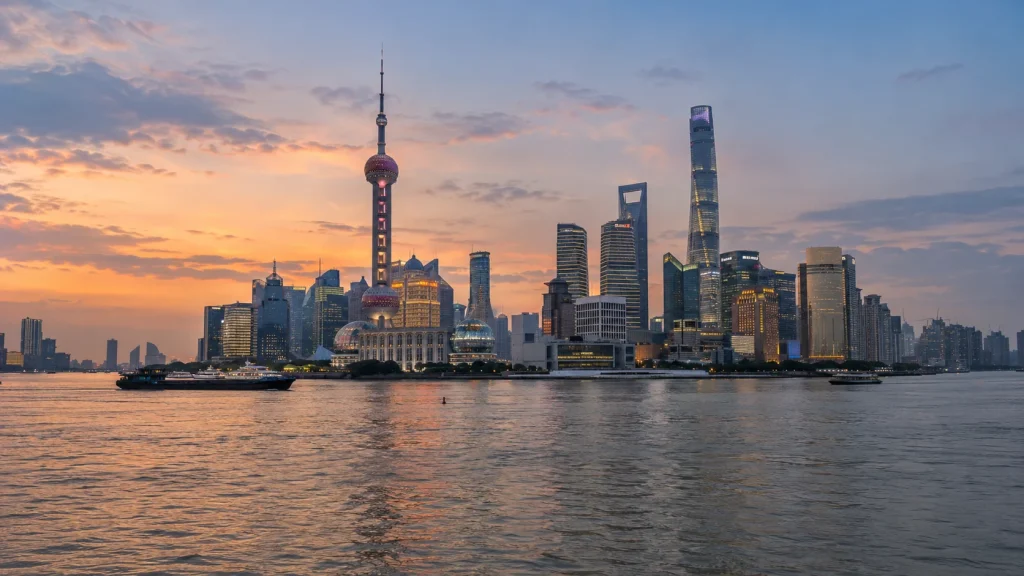
See historic waterfront buildings and the modern skyline together along the Huangpu River. Neighbourhood walks and museums offer a closer look at Shanghai’s architecture and urban life, with room for an unhurried finish after historic capitals or mountain scenery.
The Bund waterfront: look at the riverside architecture and the skyline across the Huangpu River.
A neighbourhood walk: choose a compact area for architecture, small shops and a relaxed café stop.
Museums and galleries: choose an exhibition that matches your interests rather than adding another obligatory landmark.
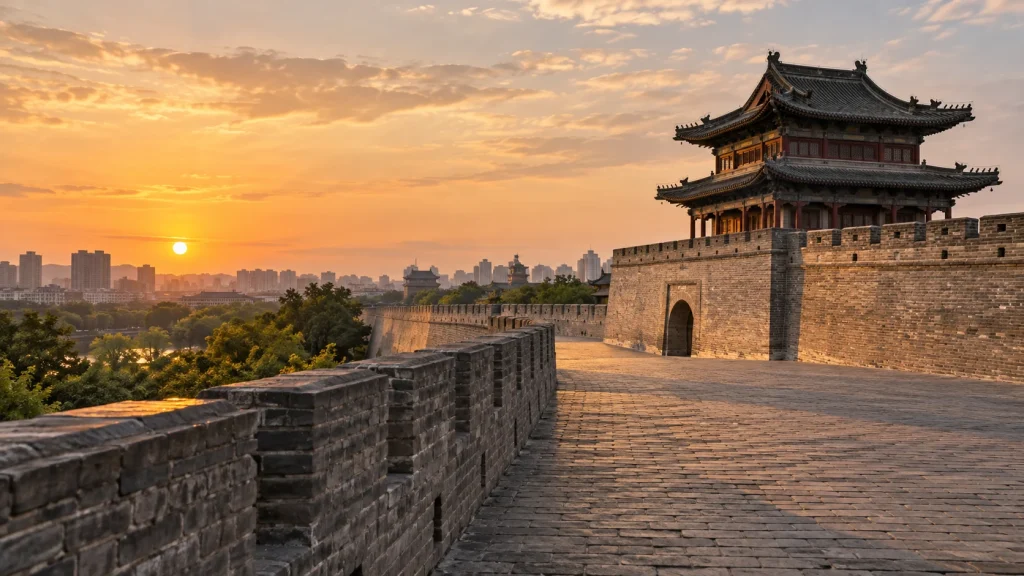
Look closely at the Terracotta Army, explore a section of the city wall and spend time in Xi’an’s neighbourhoods. After Beijing, continue towards Sichuan or mountain landscapes, or begin a westward Silk Road journey from this historic capital.
The Terracotta Army: look beyond the ranks to compare the figures, clothing and details of the excavation.
The city wall: explore a manageable section to appreciate the relationship between the old city and modern streets.
Neighbourhood time: pair the major historical visits with a slower walk and a meal in the city.
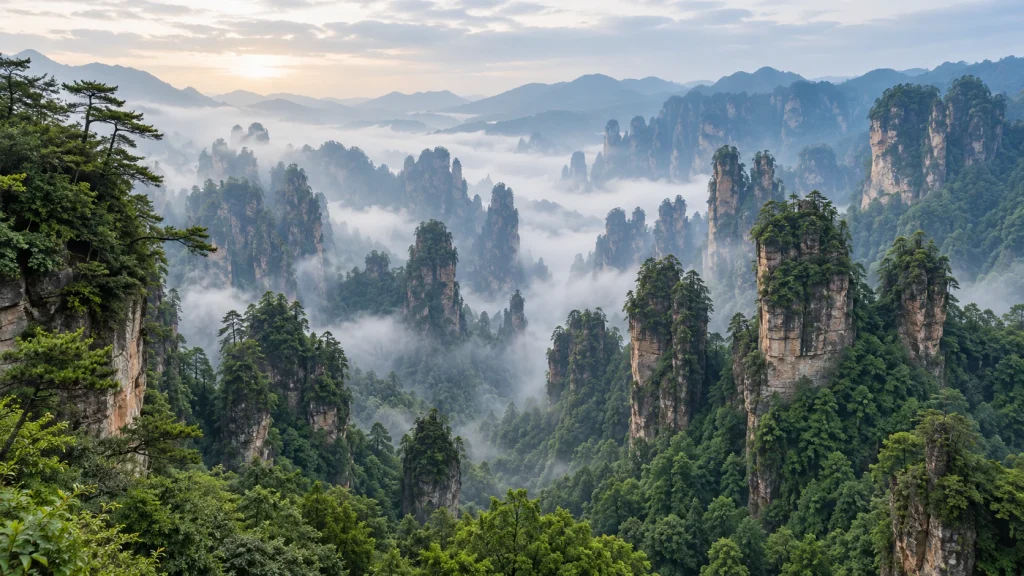
Explore Wulingyuan’s sandstone pillars and wooded valleys from valley paths and higher viewpoints. Zhangjiajie adds mountain scenery between the historic capitals and Shanghai on the classic journey, or a contrasting landscape after Guilin and Yangshuo on the mountains-and-rivers route.
Wulingyuan viewpoints: compare the sandstone pillars from different heights, with time to absorb the landscape.
Valley walks: choose a woodland section for a closer view of the rock formations and vegetation.
A focused photography day: build the route around a few viewpoints and leave flexibility for visibility.
Tell us which places interest you and how much time you have in mind.
01Choose a starting point
02Add your travel plans
03Discuss your itinerary
We use essential cookies for website functions. With your permission, Meta Pixel also measures page visits for advertising. You can change your choice in Cookie preferences.

 01